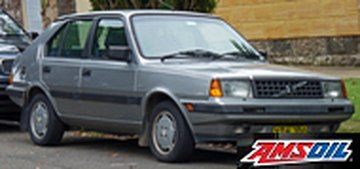
Engine Lubrication Care for the 1982 Volvo GLT 2.1L
Maintaining the mechanical integrity of a vehicle like the 1982 Volvo GLT requires a disciplined approach to fluid management and routine inspections. For an engine utilizing the 2.1L B21F configuration, consistent attention to lubrication is a fundamental aspect of long-term ownership. While many automotive components eventually require replacement due to age, the quality and consistency of the engine oil used can significantly influence how these components behave over time.Monitoring Fluid Integrity and Potential Seepage
A proactive approach to maintenance involves regular visual assessments of the engine bay. Rather than waiting for a visible puddle on the driveway, owners should look for signs of early-stage seepage around various sealing surfaces. Inspecting gaskets and seals for any evidence of age-related moisture or oil residue can help identify areas that may require attention before they become significant leaks. When performing these inspections, it is useful to check the area around the engine block and any accessible connection points. If you notice a film of oil on certain components, it may indicate that a seal is beginning to lose its effectiveness. Additionally, checking the condition of various hoses, if present, is a prudent step during routine service. Hoses that appear excessively soft, brittle, or cracked can be indicators of heat-related aging and should be monitored closely.Observing Changes in Engine Operation
Effective maintenance also relies on the driver's ability to recognize subtle changes in how the vehicle operates. While symptoms can often have multiple underlying causes, certain observations warrant closer investigation. For example, if you notice an unusual odor that seems related to heat, it may indicate that oil is contacting a hot surface elsewhere in the engine compartment. Changes in the way the engine sounds or any unexpected fluctuations in performance should not be ignored. If the vehicle exhibits unusual mechanical noises during startup or while idling, this can be associated with various lubrication or mechanical factors. Similarly, if you notice changes in exhaust characteristics, such as smoke that appears different from the standard operating state, it is advisable to have the vehicle inspected. Always remember that a single symptom does not provide a definitive diagnosis; rather, it serves as a signal to investigate further.Prioritizing Maintenance Through Condition-Based Assessment
As vehicles age, owners often face the challenge of deciding which maintenance tasks to prioritize. For a 1982 Volvo GLT, the most effective strategy is to base service decisions on the current condition of the vehicle rather than relying solely on its age or mileage. This means establishing a baseline by reviewing any available service history and then adjusting your inspection frequency based on what you observe. If maintenance records are incomplete, your first priority should be to establish a clear understanding of when fluids were last changed and which parts were last replaced. Once this baseline is set, focus your efforts on addressing active concerns—such as visible seepage or changes in fluid consumption—before moving on to purely preventive measures. This approach ensures that resources are directed toward the most pressing needs of the engine while still maintaining a high standard of care for the rest of the vehicle.The Role of Lubrication in Engine Longevity
Engine oil performs several vital roles that extend beyond simple lubrication. It acts as a medium for heat management, helping to carry thermal energy away from critical internal components. Furthermore, modern lubricants are designed with advanced additives to assist in deposit control, which helps prevent the buildup of sludge and other contaminants that can accumulate over long periods of operation. Maintaining clean oil is essential for reducing friction between moving parts. When oil becomes contaminated or loses its structural integrity due to thermal breakdown, its ability to protect the engine is diminished. By adhering to a consistent service routine and using high-quality lubricants, you help ensure that the internal components remain protected against the stresses of daily driving.Managing Aging Components and Electrical Connections
Beyond the lubrication system, an older vehicle requires attention to various peripheral systems. If equipped, accessible drive belts should be inspected for signs of wear such as cracking, glazing, or fraying. Similarly, checking electrical connections and wiring for signs of corrosion or brittleness is a helpful part of a comprehensive inspection. If your maintenance routine includes inspecting the air filtration system, ensure that the filter is free of excessive debris to maintain optimal airflow. These small, regular checks contribute to a more stable operating environment for the engine and can prevent minor issues from escalating into more complex mechanical problems.Practical Guidance for Buying Engine Oil for your 1982 Volvo GLT 2.1L
When it is time to replenish your engine's lubricant, the most important step is to ensure that the product you select matches the specific requirements of your engine. To avoid errors, do not rely on general automotive knowledge or assumptions based on the vehicle's age; instead, match the engine oil to the application-specific viscosity information already displayed on this webpage. Before making a purchase, carefully check the product labeling to verify that the oil meets the appropriate quality standards and certifications. Depending on your specific needs and the current condition of your engine, you may choose between different formulations:- Conventional Oils: A standard option for many lubrication needs.
- Synthetic Blends: These combine synthetic and conventional base oils to offer different performance characteristics.
- Full Synthetic Oils: Often used for improved thermal stability and resistance to breakdown.
- High-Mileage Formulations: Some high-mileage oil formulations contain additives intended for use in aging engines, including seal-conditioning additives that may assist with older seals.